Shared Self-Consumption of Electricity in Apartment Buildings Is Now a Reality
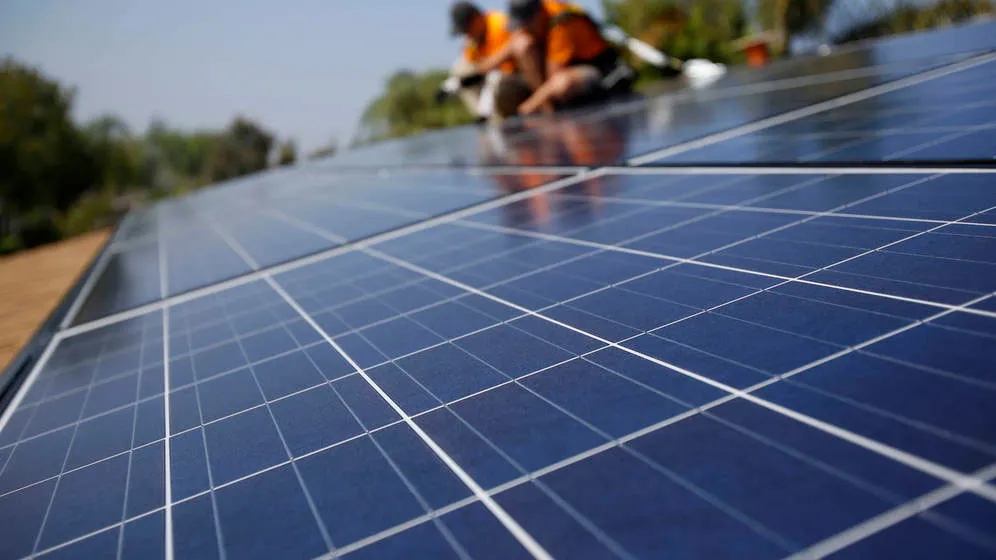
The first shared self-consumption electricity installation in a residential apartment building has finally completed the legal approval process after a year of delays and bureaucratic obstacles. A sustainable energy company installed a solar panel system allowing all residents of a building in Rubí (Barcelona) to share the electricity generated.
Electrical self-consumption is based on the installation of renewable energy sources in a property, enabling residents to consume the energy produced on-site while maintaining a connection to the public electricity grid.
Self-consumption has long been permitted in single-family homes, although homeowners are required to pay a backup access fee for remaining connected to the grid—the so-called “sun tax”—while any surplus energy fed back into the grid receives no compensation.
Royal Decree 900/2015 explicitly prohibited such installations in apartment buildings. However, on June 2, 2017, Spain’s Constitutional Court annulled this prohibition, primarily on the grounds that it interfered with regional government powers.
As a result, the company that pioneered this type of installation has finally obtained legal recognition for its activity after more than a year without receiving the necessary permits. The first example can be found in a residential building in the Barcelona municipality of Rubí, where shared electricity self-consumption is already a reality.
With this installation, residents share the energy generated by the solar panels and continue to rely on the public electricity grid whenever solar generation is insufficient, particularly during nighttime hours.
“Self-consumption improves energy efficiency because the electricity is consumed where it is generated, reducing transmission losses and making a significant contribution to achieving renewable energy targets.”
Despite these advantages, residents are still required to pay the backup access fee, commonly known as the “sun tax,” because they have contracted electrical capacity exceeding 10 kW and remain connected to the public electricity grid.